
How a Good Campsite Is Made: The Quiet Art of Setting Up Well
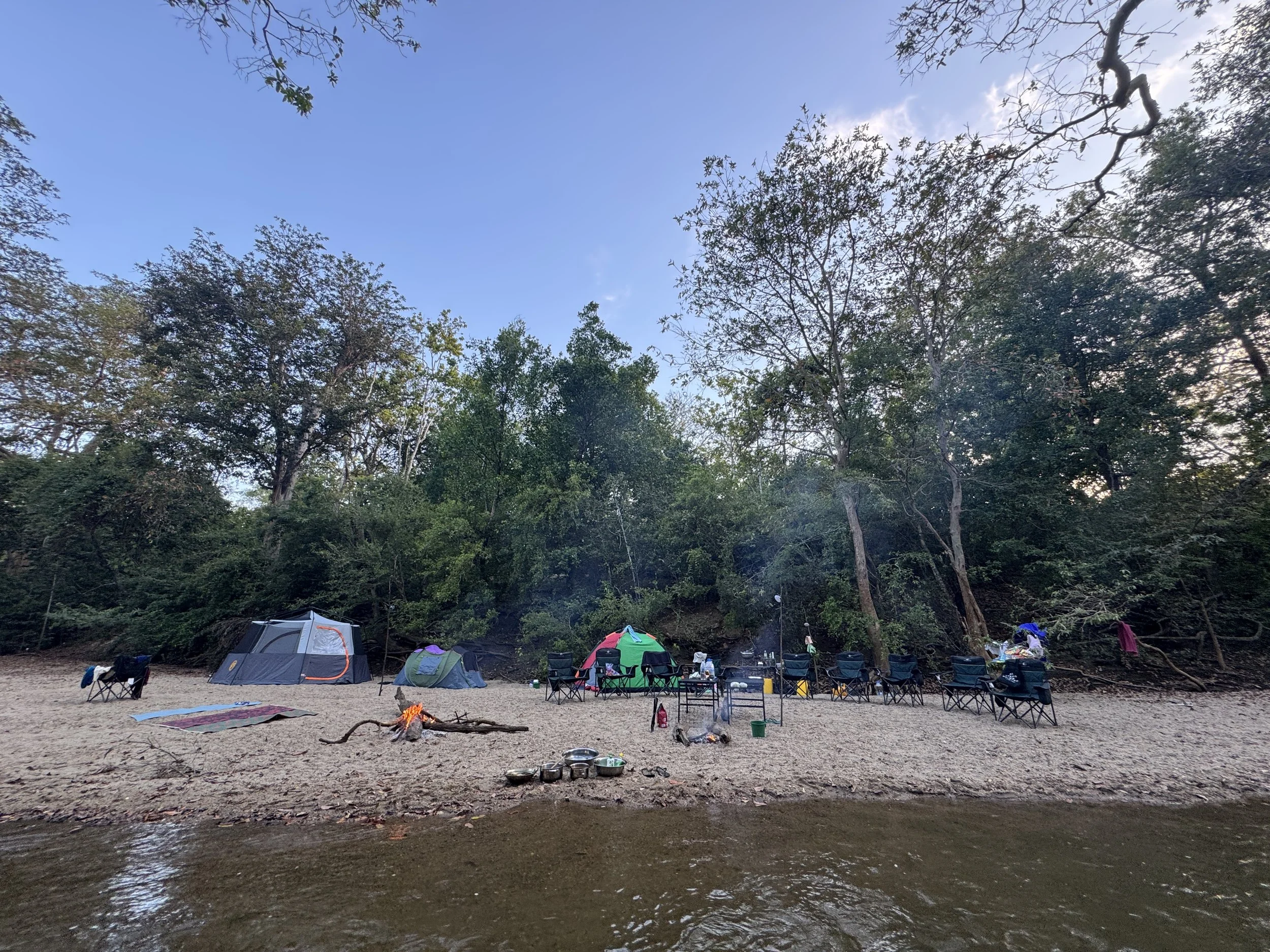
A usual Wilderfokks campsite
A good campsite rarely announces itself.
It does not usually feel impressive because of one dramatic feature. It is not only about the view, or the most picturesque patch of ground, or the place that looks best in a photograph before anything has been unpacked.
More often, a good campsite reveals itself slowly — through ease, through flow, through the quiet feeling that once everything is in place, the camp simply works.
You notice it in the way people move without bumping into each other.
How essential things are easy to find while spaces feel natural instead of awkward.
How the evening settles more smoothly because the first decisions were made well.
For first-time campers, this can be surprising.
Many people imagine that setting up camp is mainly about placing a tent and arranging a few items nearby. But a good campsite is more than a sleeping spot -It is a temporary living space, which means the way it is arranged shapes the entire experience that follows.
This is especially true in Sri Lanka, where the outdoors are rarely neutral. Ground can hold heat, dust, or dampness. Shade can matter more than people expect. Wind may move differently through open spaces and tree cover. Rain, even when it is not currently falling, may still need to be considered. Ants, roots, uneven ground, overhanging branches, and the direction of the evening air can all quietly influence comfort.
A good campsite takes these things seriously —not in a fussy or fearful way, but in a calm, practical one.
That is the real craft of camp setup.
It is not about making something elaborate, but about paying enough attention at the beginning that the rest of the experience can feel simpler.
Once you understand that, camp setup stops feeling like a chore and starts feeling like one of the most important acts of hospitality in the outdoors.
What this article will help you understand
If you only have a few minutes, here is the heart of it:
A good campsite is made through thoughtful choices about ground, layout, flow, weather awareness, and shared use of space. It is not just about where the tent goes. It is about creating a temporary outdoor home that feels calm, practical, and easy to live in.
When a campsite is set up well:
Movement feels easier
Shared spaces feel more natural
Small frustrations are reduced
People settle faster
The whole camp feels more comfortable and secure
When a campsite is set up poorly, even beautiful surroundings can feel awkward, cluttered, or mildly stressful.
The best campsites are often not the ones that look dramatic at first glance.
They are the ones that continue feeling sensible after dusk, after dinner, in the rain, in the morning, and in the small practical moments that make up real camp life.
A good campsite is made, not found.
And that is what makes setup such an important part of the experience.
Why setup matters more than beginners expect
For many first-time campers, the real focus is often on the later parts of camp.
They imagine the meal, the fire, the night sky, the sleep, the morning tea, the wildlife sounds, the sense of being outdoors. Setup, by comparison, can seem like the functional bit you rush through in order to get to the “real” experience.
But in truth, setup shapes nearly all of those things.
A rushed, poorly considered setup can create unnecessary discomfort that lingers for hours. Items get misplaced. Movement paths become awkward. Seating feels disconnected. The tent is fine, but the camp does not flow. After dark, minor inconveniences become bigger ones. Things that did not seem important at first — where the light is, where the shared area is, whether the ground drains properly, how people move between sleeping and gathering spaces — suddenly matter a great deal.
A thoughtful setup, on the other hand, does something quieter and much more powerful- It reduces friction.
That matters more than most people realize. Outdoors, where the senses are already adjusting to new light, new textures, and a new rhythm, even small avoidable frustrations can feel larger than they would at home. A well-made campsite removes many of those unnecessary little struggles before they begin.
And when that happens, the camp feels more restful, more welcoming, and more coherent.
This is one of the reasons experienced outdoor people often care so much about setup. Not because they enjoy fussing over details for their own sake, but because they know that the quality of the camp is often decided in the first hour.
The ground matters more than the view
One of the first practical camping truths- A beautiful view can lift the spirit - Bad ground can quietly ruin the evening.
When choosing where and how to set up, people are naturally drawn to what looks appealing first — a certain tree line, an open vista, a pleasing patch of light. But a campsite is not just looked at. It is lived in.
That means the ground matters immensely.
Ground affects:
How comfortably you sleep
How easily you move
Whether water collects where you do not want it
How stable seating and equipment feel
How much dust, dampness, or unevenness becomes part of camp life
A campsite that looks lovely but sits on awkward, sloping, overly damp, root-heavy, or poorly draining ground can become irritating very quickly. What seemed charming in daylight can feel inconvenient, uncomfortable, or frustrating once the practical parts of camp begin.
In Sri Lanka, where outdoor conditions can shift between dry, dusty, humid, or suddenly wet depending on season and location, the ground deserves real attention. Even if the weather is currently calm, the character of the soil and the shape of the land still matter.
This is part of an older, deeply sensible outdoor instinct: before settling, read the land.
Not only the horizon. Not only the beauty. But the actual place your body, gear, and evening will depend on.
A good campsite begins underfoot.
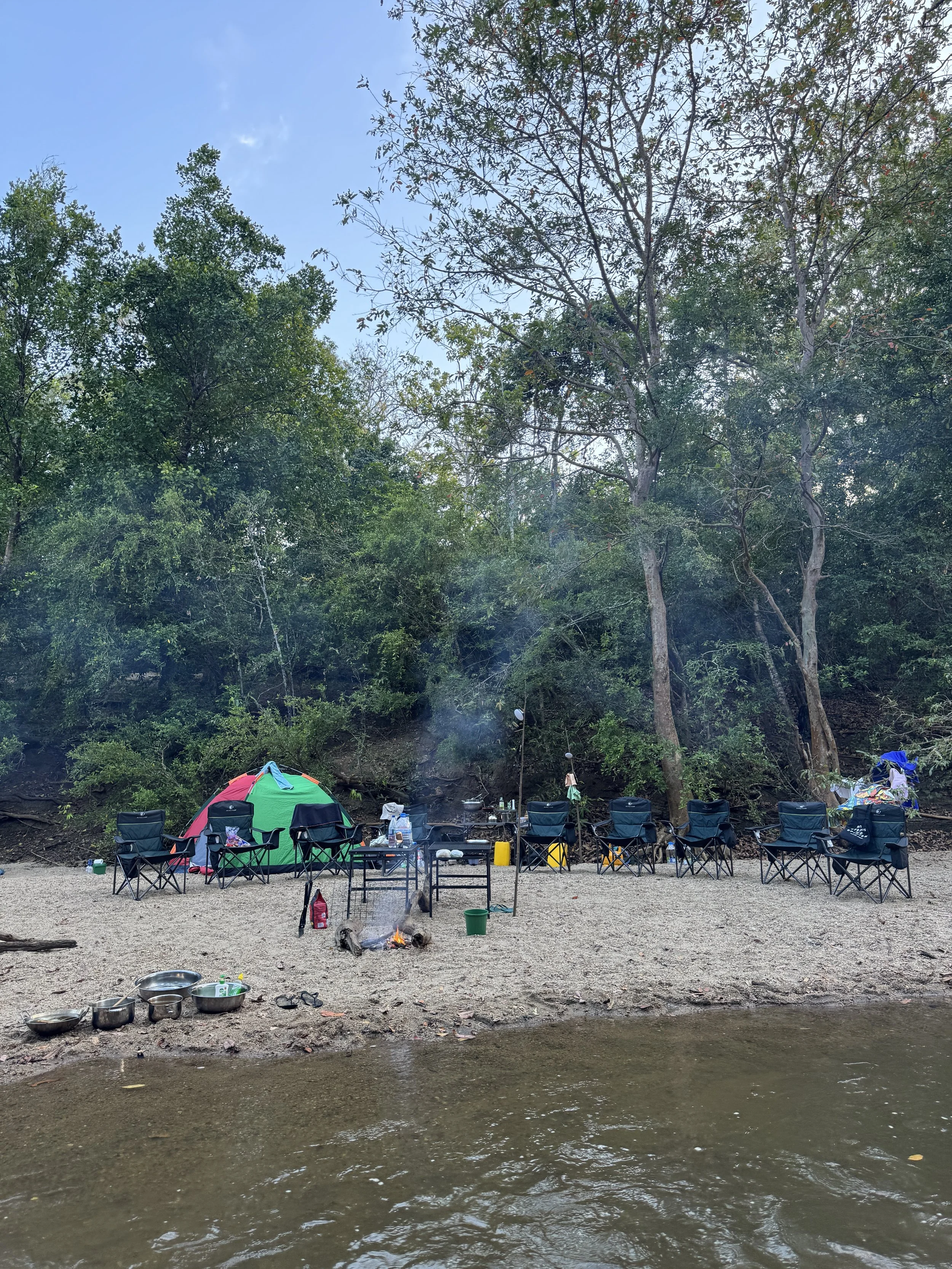
A campsite works best when it is thought of in zones
One of the easiest ways to understand camp setup is to stop thinking of it as “putting things down” and start thinking of it as creating simple zones.
A campsite usually works best when it has at least a few clearly understood areas:
Sleeping area
Shared sitting or gathering area
Practical space for food or preparation
Sensible place for commonly used items
Clear paths of movement between these areas
This does not need to be formal or complicated. It is simply about making the space legible.
When a camp has good spatial logic, people settle faster because they understand it more easily. They know where to go, where to sit, where to place something, where not to leave something, and how to move after dark without everything feeling improvised.
This is especially helpful in communal camping, where multiple people are sharing the same environment. A camp with no clear rhythm of space quickly becomes cluttered, even if it looked fine at first.
The beauty of a well-zoned campsite is that it feels natural once it is done. Nobody needs to be constantly instructed. The layout itself begins guiding behavior.
The sleeping area feels restful because it is not being crossed through unnecessarily.
The shared area feels welcoming because it is clearly where people gather.
The practical area works because it can actually be used without disrupting everything else.
In that sense, good camp layout is a form of quiet communication.
It tells everyone how the camp wants to be used.
In Sri Lanka, shade, wind, and weather are part of the setup
Camp setup in Sri Lanka is never only about the tent. It is also about the conditions moving around the tent.
A place that feels comfortable in one hour can feel very different a few hours later depending on:
Where the sun travels
How much shade holds
Which way the wind moves
Whether the air becomes damp
How the ground responds if rain comes
How evening coolness settles through the space
This is where campsite setup becomes less about objects and more about attention.
Shade, for example, can matter enormously in tropical conditions. What looks pleasant and bright in one moment may feel unnecessarily exposed later. Equally, a patch that feels cool and inviting can become damp, leaf-heavy, or uncomfortable if it traps moisture or airflow poorly.
Wind matters too, though often in subtle ways. A small amount of airflow can make a camp feel much more comfortable. But how and where that airflow moves affects everything from smoke drift to evening chill to how tent fabric behaves after dark.
Then there is the question of rain — even on days when rain is not expected. In Sri Lanka, it is often wise to think at least one step ahead. You do not need to be anxious about the weather. But a good campsite is never arranged as if the weather does not exist.
This is part of why setup can feel almost like reading a conversation between land, sky, and time of day. The best place is rarely just the nicest-looking one in the moment. It is the one most likely to keep making sense as the environment changes.
Why shared setup makes camp feel better
One of the quiet strengths of participatory camping is that setup becomes more than a task.
It becomes the beginning of belonging.
When people help create the camp together — even in small ways — something changes. The space stops feeling like a ready-made environment that has been handed to them, and starts feeling like a shared place that is taking shape around them. This does more than save time. It changes how people relate to the campsite itself.
They notice and understand it more.
They move through it more naturally and are more likely to care for it well.
This is especially true for beginners. The more someone participates in setup, the faster the camp becomes familiar. A person who knows where the lights went, where the shared seating was placed, where the key items are kept, and how the space was arranged will usually feel more settled than someone who simply arrives and watches.
Children feel this too. A child who helps with one small part of camp begins seeing the campsite as something they belong inside, not merely something adults have made around them.
There is also something beautifully human in making temporary space together.
In many Sri Lankan ways of life, shared effort has long been part of how places become usable, welcoming, or livable — whether in homes, gardens, fields, family events, or community gatherings. Camping touches a similar truth. The place feels better when it is made with care, together.
This is one reason a good setup can feel strangely satisfying even before the evening begins.
It is not just preparation. It is the first act of camp life.
A good campsite should feel easier after dark, not harder
One of the best tests of a campsite is simple: Will this still make sense after dark?
In daylight, many poor layout decisions hide behind visibility. You can step around awkward gear. You can spot the item you misplaced. You can see the uneven patch of ground before you step on it. But once the light drops, everything becomes more consequential.
This is why good campsites are designed not just for the afternoon, but for the evening and night.
A well-set campsite should make after-dark life easier by ensuring:
Pathways are clear
Essential items are easy to locate
Seating and gathering areas remain usable
Movement does not cut through sleeping areas unnecessarily
Common-use items are placed sensibly
Nothing important becomes an obstacle in low light
It is often the small things that make the difference.
A torch placed where it can be found.
A bag kept out of the main path.
A shared table or surface that remains functional after sunset.
A sitting area that still feels coherent once the campfire or main light becomes the center.
Beginners sometimes think of setup as something that ends once the tent is up. But really, good setup is an act of thinking ahead. It asks: what will this feel like later, when the light changes, when people are tired, when the camp is quieter, when movement becomes slower?
That kind of foresight is not overthinking. It is what allows the evening to feel smooth.
The best campsites feel calm, not cluttered
A well-made campsite often has a certain emotional quality that is easy to feel and hard to fake. It feels calm.
Not because there is nothing in it, but because everything has enough sense to it that your mind is not constantly tripping over small disorder. The tent sits where it should. Shared spaces feel natural. Things are not scattered without purpose. The camp does not feel like an accidental pile of belongings in a beautiful place.
This matters because visual and practical clutter create mental clutter too.
Outdoors, the senses are already taking in more than usual — changing light, new sounds, movement in the environment, shifting temperature, the small practical details of living outside. If the campsite itself is also chaotic, the mind has less room to settle.
A calm campsite supports rest before anyone even lies down.
This does not mean the camp must look perfect. It is still a real place being used by real people. Some signs of life are part of its warmth. But there is a difference between lived-in and disorderly.
The best campsites often feel:
Open enough to breathe
Organized enough to function
Simple enough to understand
Warm enough to gather in
That quality is not accidental. It is built through setup.
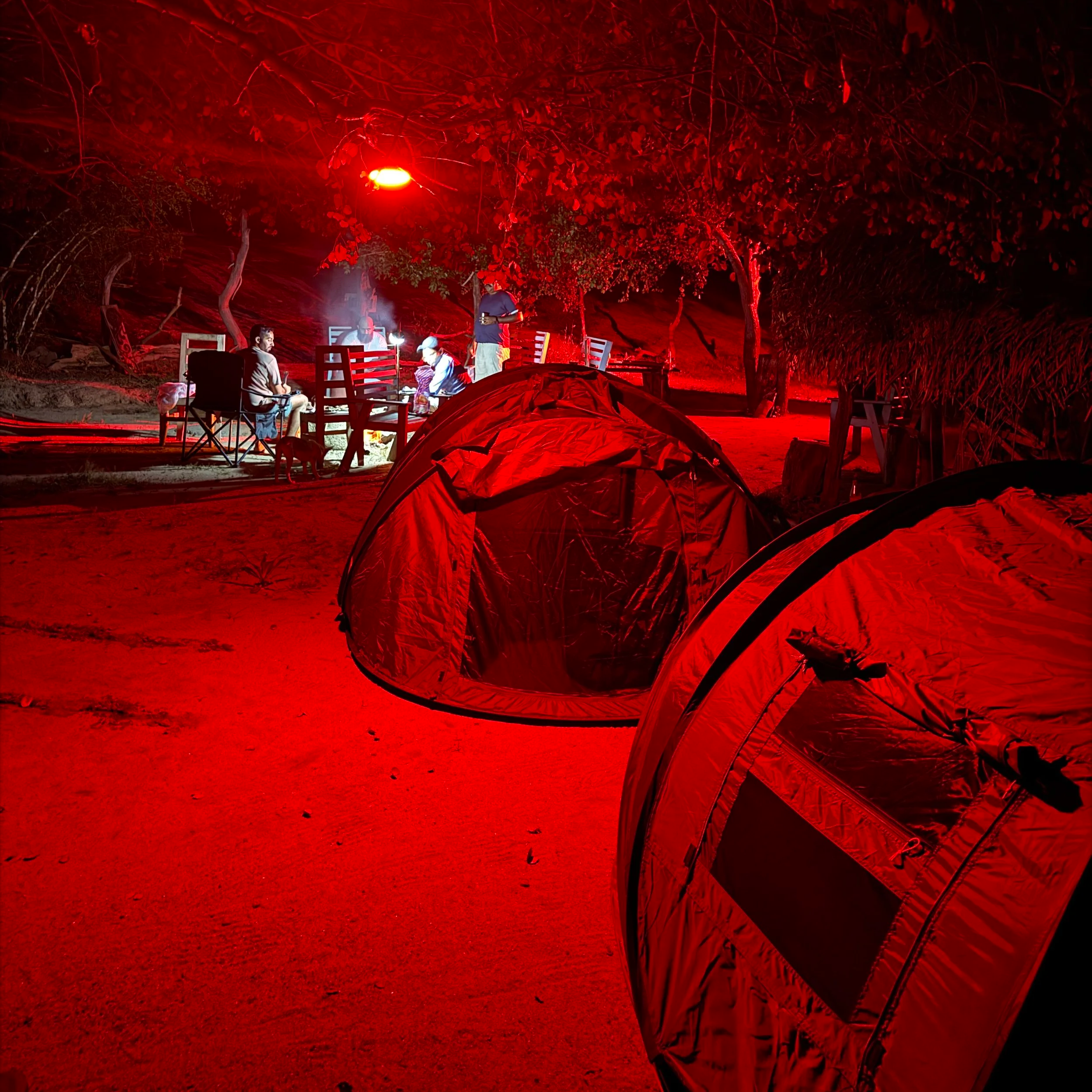
Camping at Yala
What people often get wrong
A few common mistakes shape campsites that feel harder than they need to:
1. Choosing only with the eyes
A place may look beautiful and still function poorly once camp life begins.
2. Treating the tent as the whole campsite
A campsite is not just where you sleep. It is the full space you live in for that period.
3. Rushing the setup
Speed at the beginning often creates inconvenience later.
4. Ignoring what happens after dark
If the layout only works in daylight, it is not finished.
5. Letting clutter build from the start
A few poorly placed items can make the whole camp feel more awkward than necessary.
First time setting up camp? Start here
If this is new to you, keep the setup mindset simple:
Read the ground before choosing the spot
Think about the full camp, not only the tent
Create basic zones for sleeping, gathering, and practical use
Keep movement paths clear
Think ahead to the evening, not just the current light
Prioritize ease over appearance
Let the setup be calm, not rushed
A good campsite does not need to be elaborate. It only needs to make life outdoors feel a little more natural.
What good setup gives you
When a campsite is made well, you feel the benefit long after the work is done.
You feel it when you know where to find things without thinking.
You feel it when the evening settles smoothly.
You feel it when the shared space naturally gathers people in.
You feel it when the night is simpler because the camp still makes sense in low light.
You feel it in the morning, when the space still feels coherent and easy to move through.
This is one of the quiet pleasures of good setup: its success often becomes invisible.
The camp feels comfortable not because of one dramatic feature, but because a hundred small frictions never had the chance to take hold.
A gentle closing thought
A good campsite is not only a place in nature.
It is a temporary home shaped with care.
Not permanent.
Not rigid.
Not elaborate.
Just thoughtful enough that people can rest, gather, move, eat, and settle more easily within it.
That is the quiet art of setting up well.
And in Sri Lanka, where the land, light, wind, and weather always have something to say, a good campsite begins when you listen closely enough to shape your little corner of the wild in harmony with what is already there.
If you do that well, the whole camp feels different. Not just more organized. More at ease.