
The First Night in Camp: Why Sleep Feels Different Under Canvas
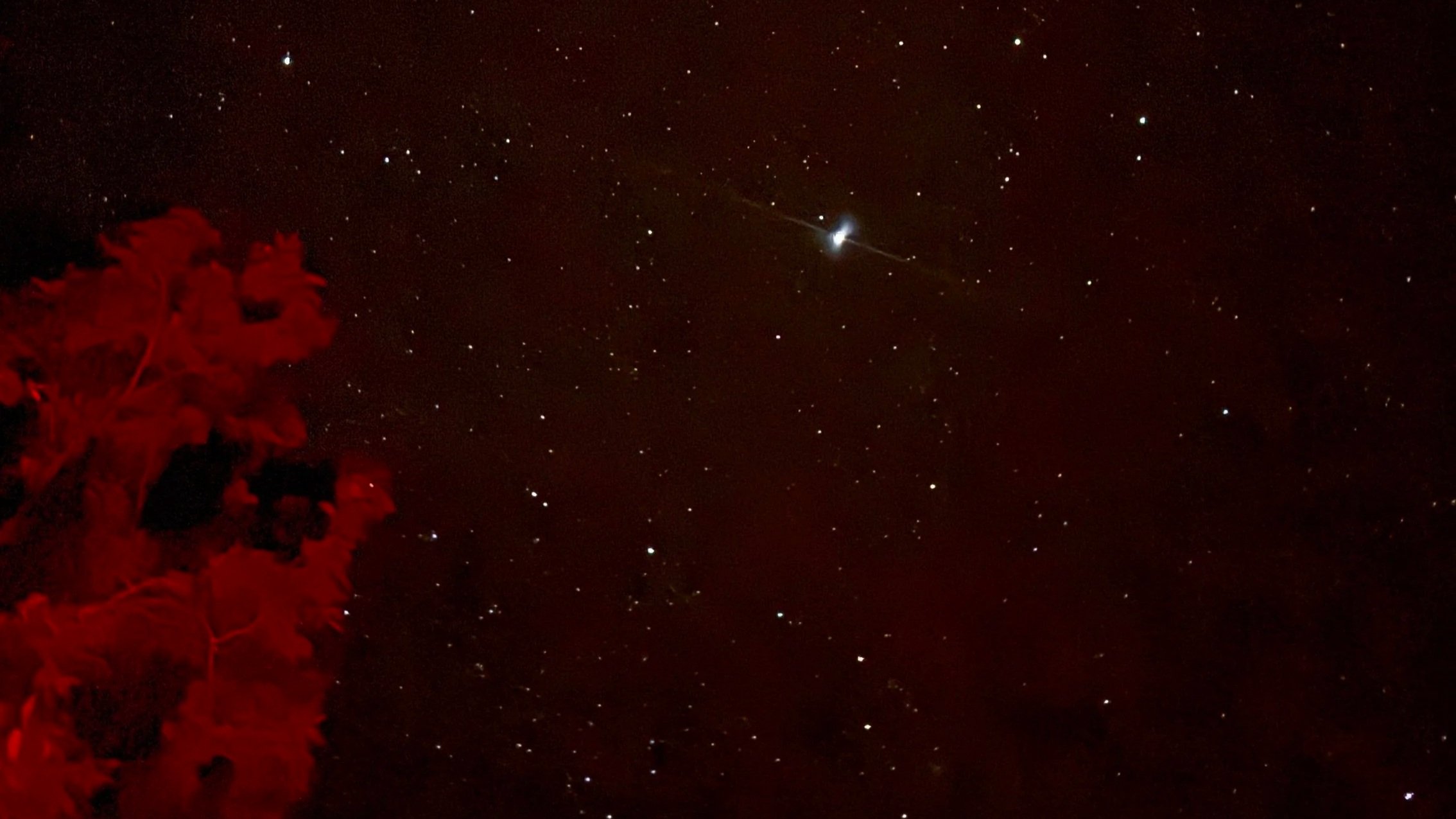
For many first-time campers, the first night is the part they think about most. Before they have even arrived, before the tents are up, before the fire is lit or dinner is served, their minds often drift ahead to the same quiet question:
Will I actually sleep? It is a fair concern.
Even people who feel excited about camping can become slightly uncertain when they imagine the night. Indoors, sleep is usually wrapped in familiarity — the same room, the same ceiling, the same walls, the same predictable sounds, the same quiet routines of closing a door and settling in. Camp changes all of that.
Under canvas, the world does not disappear when you go to bed.
You still hear it. You still feel it. Air moves differently. Light fades differently. Darkness feels fuller. Sounds that would be lost inside a house become suddenly noticeable: insects, leaves, wind, fabric shifting, a distant call, someone unzipping a tent, the small living movements of night. For a first-time camper, that can make sleep feel less simple and far more present than usual.
In Sri Lanka, where the outdoors are rarely still in any empty sense, the first night can feel especially alive.
The trees continue breathing in wind. Insects rise into chorus. The temperature shifts after the heat of the day. Bird calls fade and other sounds take their place.
Even a quiet campsite can feel full of atmosphere. For someone new to this, the mind can mistake unfamiliarity for disturbance.
But that does not mean the first night is bad. It simply means it is different.
And often, the first night is not difficult because something is wrong. It is different because your senses are still adjusting. Your body has arrived, but part of your mind is still coming down from the speed, noise, and enclosed routines of ordinary life.
That first night is not always about immediate comfort. More often, it is about acquaintance.
It is the moment when you stop imagining what the outdoors at night might feel like — and begin actually meeting them.
What this article will help you understand
If you only have a few minutes, here is the heart of it:
The first night in camp often feels different because your body and senses are adapting to a new environment. The sounds are more noticeable, the air feels more present, and your mind is often more alert simply because it is somewhere unfamiliar. That is normal. It does not mean the night is unsafe or that you are “bad at camping.”
For many people, the first night is not the most comfortable night — but it is the most important one.
It is the night when the outdoors stop being imaginary.
It is the night when unfamiliar sounds begin to sort themselves.
It is the night when you start learning that not every rustle means anything at all.
And it is often the night that makes the first morning feel so unexpectedly rewarding.
You do not need perfect sleep for the first night to be a good one. You only need enough patience to let your body and mind become familiar with a different kind of night.
Why the first night feels bigger in your mind than it usually is
Much of the intensity of the first night begins before the night itself.
People often arrive already thinking about it. They have imagined what it might feel like to sleep outdoors, and the imagination tends to magnify whatever is unknown. A tent can sound less secure in the mind than it feels in real life. Night sounds can seem more dramatic before you hear them than after you do. The very idea of being outside after dark can feel more extreme in anticipation than it actually becomes once camp has settled.
This is a common beginner's experience.
The mind dislikes blank spaces. When it does not know what something will feel like, it tends to fill that uncertainty with extra alertness. And because most people today spend far more nights indoors than out, the first night in camp can carry a sense of novelty that feels larger than the actual conditions.
In other words, part of what makes the first night feel significant is not the night itself. It is expectation. You are not only meeting the outdoors. You are also meeting your own assumptions about the outdoors.
For some people, those assumptions are romantic: stars, silence, total peace, and effortless sleep. For others, they are slightly anxious: strange noises, discomfort, darkness, restlessness, and uncertainty. In reality, the first night is often gentler and more ordinary than either story.
It may feel unusual, yes. It may take a little time, yes.
But very often, it is not a test of endurance or some dramatic plunge into wilderness. It is simply the first time your senses have had to settle into a more open environment in a long while.
That adjustment is a very human thing.
Your body is more alert because it is somewhere new
One of the biggest reasons the first night feels different is that your body is paying attention. This does not mean something is wrong. It means you are in a new environment.
Human beings sleep differently in unfamiliar places, even indoors. A new room, a new bed, a new smell, a new temperature — all of these can affect how quickly we settle and how deeply we sleep at first. A campsite simply makes that shift more obvious because the environment is more open and more sensory.
You are not only in a new sleeping space. You are in a new soundscape, a new airflow, a new pattern of darkness, and a new relationship with the space around you.
The mind responds to this by staying a little more watchful. For first-time campers, this can feel like light sleep, interrupted sleep, or simply a feeling of being aware for longer than usual before truly settling. That is normal. It is part of the body learning the environment.
Often, that learning happens surprisingly quickly.
What feels exaggerated in the first hour often becomes much less important by the middle of the night. The tent fabric that seemed noisy becomes ordinary. The insect chorus becomes background. The breeze becomes rhythm instead of interruption. Your senses stop trying to make meaning out of every new thing and begin accepting the environment for what it is. This is one reason many people say the second night feels easier than the first. The place is no longer entirely unknown.
But even if you are only there for one night, this adjustment still matters. The first night teaches you that your body can settle into more than one kind of sleeping environment — and that is often more reassuring than people expect.
Night sounds feel louder because indoor life filters them out
One of the most common surprises for first-time campers is not the ground, the tent, or even the darkness. It is the sound.
Indoors, most of us are used to a strangely edited version of night. Walls soften wind. Windows dampen outdoor movement. Appliances create their own steady background. Urban noise becomes normalized. By contrast, a tent does very little filtering. It lets you hear the night much more directly.
This can feel dramatic at first.
In Sri Lanka especially, the natural night is rarely silent in the way people imagine. Insects continue their evening work. Leaves move. A breeze catches the fabric. A bird may call. Something small moves through dry leaves. Trees creak. Someone nearby shifts in their sleeping space. The night has layers, and a tent allows you to hear them.
For a newcomer, the temptation is to interpret all of it.
What was that?
Was that close?
Is that normal?
Why is everything so noticeable?
The answer, most of the time, is simple: because you are hearing a living environment more clearly than you usually do.
This is one of the first lessons of a night under canvas. The dark is not empty. It is active. But active does not mean threatening. Most of what you hear is simply the ordinary life of the place continuing around you. Once this becomes clear, the soundscape often shifts from “too much” to “deeply atmospheric.”
That is an important change, because it turns the night from something to resist into something you are learning to understand.
Darkness feels more complete outdoors
Another thing that makes the first night feel different is the quality of darkness itself.
In many homes and cities, even at night, darkness is partial. There are streetlights, passing headlights, small device lights, hallway glow, reflected brightness from nearby buildings, or the faint wash of urban illumination that never fully disappears. Most people are not used to true darkness, or at least not often.
At camp, especially in a well-situated outdoor setting, the night can feel more complete. This can be deeply beautiful — and slightly confronting at first.
Complete darkness asks the senses to work differently. It narrows vision and heightens everything else. You become more aware of sound, temperature, movement, and the shape of the space around you. For some people, this feels peaceful almost immediately. For others, it takes a little time to stop feeling exposed.
That is normal too. The first night often teaches something that modern life lets us forget: darkness is not automatically emptiness. It has texture. It has atmosphere. It changes how we inhabit time. In Sri Lanka, where night can gather quickly under tree cover and the shift from dusk to darkness often feels vivid, this is especially noticeable. Once the fire is low and the camp settles, the world does not feel “off.” It feels transformed.
The mind may need a little time to trust that transformation.
But once it does, the night can feel less like a blank space and more like a presence.
The first night is not about perfect sleep
This is one of the most helpful things a first-time camper can understand: The first night does not need to be perfect to be successful.
Many people make the mistake of judging the whole experience by the standard of one ideal sleep. If they wake a few times, take longer to settle, or feel more aware than usual, they assume the night has gone badly. But that is often the wrong measure.
The first night is not a hotel night. It is not meant to feel identical to your bed at home. It does not need to.
A better question is not:
Did I sleep exactly the way I do indoors?
It is:
Did I begin becoming familiar with this place?
If the answer is yes, then the night has already done something valuable.
You may sleep lightly at first, then deeply later. You may wake once, then settle. You may feel aware in ways that are new to you. None of this means you cannot camp. It simply means you are adjusting to a different context.
This matters especially for beginners, because one slightly unusual night can otherwise become a story they tell themselves about not being suited to the outdoors.
In truth, many experienced campers still feel the first night differently when they are in a new place. Not because they are uneasy, but because attention naturally sharpens in unfamiliar settings.
The goal is not flawless sleep. The goal is enough ease for the body to begin trusting the night.
A few simple things help you settle more easily
The first night is often kinder when you stop expecting it to take care of itself.
A few simple things make a real difference:
1. Let the evening slow you down before bed
If you go from full conversation, bright light, or mental stimulation straight into the tent, the body may take longer to settle. The quieter your evening rhythm becomes, the easier the transition often feels.
2. Keep what you need easy to find
A torch, water, or any necessary personal items should be placed sensibly before you lie down. Minor confusion in the dark can make the night feel more stressful than it needs to be.
3. Expect the sounds
The night will sound alive. Knowing this in advance helps your mind interpret it more calmly.
4. Dress for the real temperature, not the memory of the day
Even after a hot day, the body can feel cooler once it has stopped moving. A simple layer can make a big difference.
5. Don’t treat wakefulness as failure
If you are awake for a while, it does not mean the night is going badly. Often, the body is simply settling at its own pace.
These are small things, but the first night is made of small things. When handled well, they can shift the entire feeling of the experience.
Why the first morning often feels better than expected
For many first-time campers, the great surprise of the first night is what comes after it. The morning.
Even people who feel they did not sleep “perfectly” often wake to something unexpectedly pleasant: clearer air, softer light, birds beginning before conversation, a gradual return to the day rather than an abrupt one. The body may feel more refreshed than the mind assumed it would. The unease of the previous evening often feels smaller in daylight. What felt strange at 10 p.m. often feels perfectly sensible by 6 a.m.
This is one of the most important parts of the whole experience. The first morning reveals that the night was not something to get through. It was something to learn from.
Now, when you hear the same wind in the trees or notice the tent around you, it no longer feels completely unfamiliar. The place has begun to make sense. You know where things are. You know how the dark felt. You know the camp held through the night exactly as it was meant to, with that comes a quiet kind of confidence.
This is why so many people who worried about sleep end up remembering the first morning more strongly than the first night itself.
Because that is often the moment they realize:
I can do this.
This is not as difficult as I imagined.
Something in me has already adjusted.
In Sri Lanka, where dawn can feel especially alive with birds, cool air, and gentle light, that first morning can be one of the deepest rewards of the entire trip.
What people often get wrong
A few misunderstandings make the first night harder than it needs to be:
1. Expecting it to feel exactly like sleeping indoors
Camping sleep is different. Different does not mean worse.
2. Interpreting every sound
Most of the night sounds are simply the environment being itself.
3. Thinking light sleep means the night was a failure
The first night is often about adjustment, not perfection.
4. Letting the imagination outrun the experience
The mind often dramatizes the unknown more than reality does.
5. Forgetting the first morning is part of the story
Many people judge the night too early, before they have felt what the morning gives back.
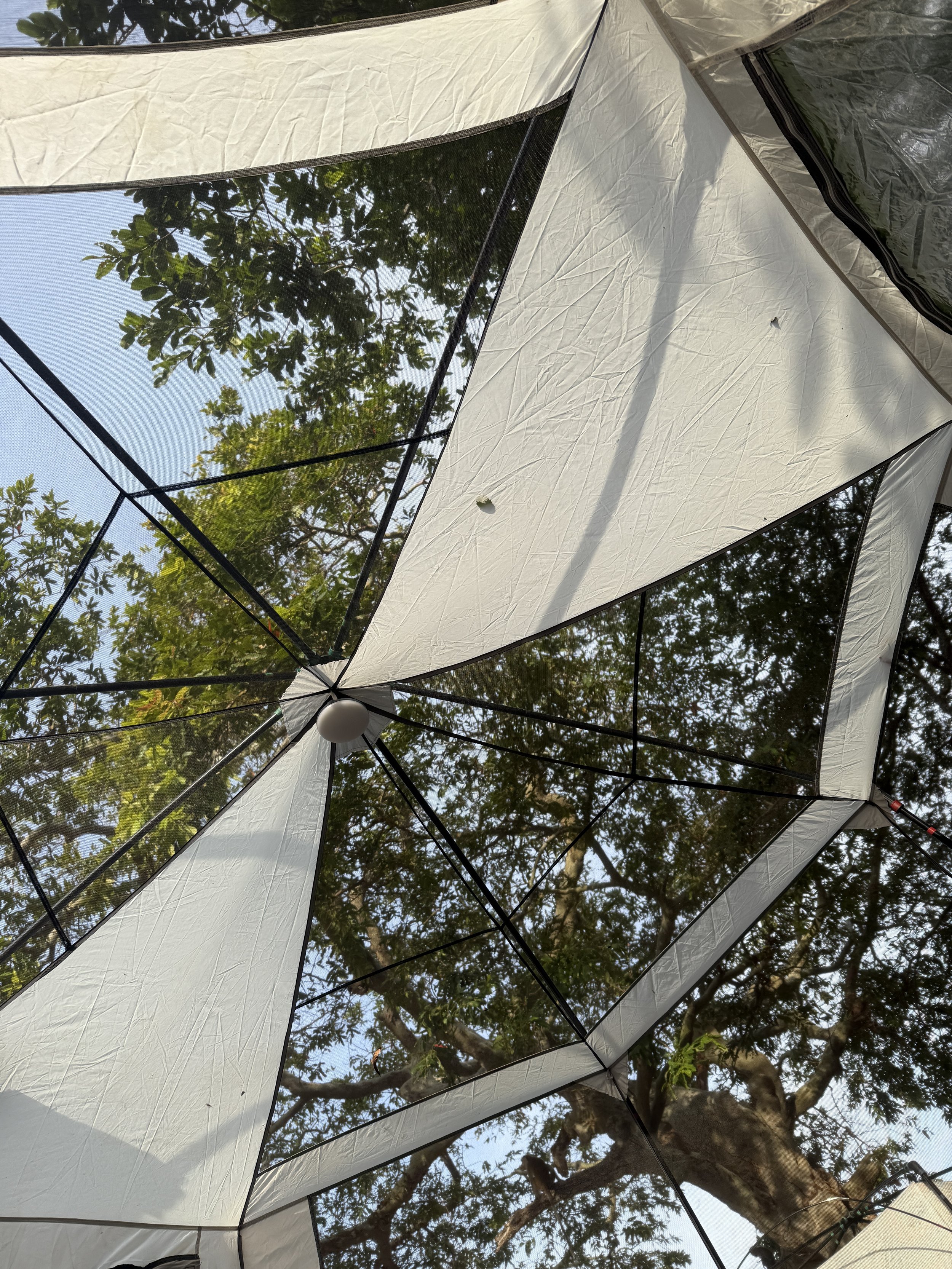
First time camping? Start here
If this is your first night in camp, keep this mindset close:
Expect the night to feel different
Let different be different, not automatically bad
Prepare simple comforts before bed
Do not interpret every sound
Allow your senses time to settle
Remember that the goal is familiarity, not perfection
You are not trying to force indoor sleep into an outdoor setting. You are allowing yourself to meet a different kind of night with enough patience for it to become less foreign.
What the first night really gives you
The first night in camp is not only about sleep.
It gives you something else too: a first true relationship with the place after dark.
You learn what the air feels like.
What the sounds really are.
How the tent holds.
How the night moves.
How your body reacts.
And how quickly unfamiliar things can become ordinary once you stop resisting them.
This is part of why the first night matters so much. It is often the point where the outdoors stop being an idea and start becoming a lived experience. That can feel humbling, a little strange, and deeply grounding all at once.
A gentle closing thought
The first night under canvas is rarely memorable because it was perfect.
It is memorable because it was real.
It was the night when the sounds were no longer imagined.
The darkness was no longer abstract. The tent was no longer just fabric in daylight.
And you were no longer only thinking about camping — you were inside it.
That is why the first night matters.
Not because it must be flawless.
But because it is the moment the wild, the camp, and your own senses begin learning each other properly.
And once that begins, the morning often feels less like waking up somewhere strange —and more like arriving.